Emergency Hot Water Heater Repair in Austin: 24/7 Professional Solutions

Updated: Jul 2
Last Tuesday, a homeowner named Sarah discovered a small puddle near her water heater that quickly turned into a major leak by nightfall. This is exactly why emergency hot water heater repair isn't just a convenience; it's a necessity for protecting your home from water damage and restoring your daily routine. We understand how frustrating it is to deal with sudden equipment failure, especially when you're caught between the stress of a potential flood and the confusion of whether to fix the unit or start over with a new one.
In this guide, we'll explain how to manage these high-pressure situations and provide expert solutions specifically designed for Austin’s unique water conditions. Our local water carries a high mineral content that can lead to rapid sediment buildup, with recent 2026 reports showing hardness levels ranging from 140 mg/L to 290 mg/L. You’ll learn how to identify the signs of a failing unit, why our hard water is so tough on tanks, and how to make an informed decision about the future of your home's hot water.
Table of Contents
Recognizing a True Water Heater Emergency: When to Call a Pro
Not every plumbing issue requires an immediate response, but a failing water heater can quickly transition from a minor annoyance to a serious household crisis. Distinguishing between a simple pilot light outage and a high-stakes emergency is the first step in protecting your property. While a cold shower is certainly a disruption to your morning routine, issues like active flooding or the smell of gas represent immediate threats to your home's integrity and your family's safety. When these red flags appear, seeking an emergency hot water heater repair is the only responsible course of action.
Before you make the call, it helps to run through a basic troubleshooting checklist. If you have no hot water, check your circuit breaker to see if a switch has tripped, or verify that your gas valve is in the "on" position. If these simple fixes don't restore service, or if you hear loud popping and banging noises coming from the tank, the unit is likely struggling with internal pressure issues. These sounds often signal that sediment has trapped steam at the bottom of the tank, creating a boiling effect that can damage the protective lining and lead to a total breach.
Safety First: Gas and Electrical Warnings
Modern water heating systems are complex machines that require precise calibration to function safely. Gas-powered units use a chemical additive called mercaptan to give natural gas a distinct rotten egg odor. If you detect this smell or hear a persistent hissing sound near your unit, you should evacuate the premises immediately and call for professional help from a safe distance. For electric models, a frequently tripped breaker is a sign of a dangerous electrical short or a scorched heating element. Attempting a DIY fix on high-voltage components is never worth the risk; these systems demand the steady hand of a master craftsman who understands the delicate balance of water and electricity.
Property Protection: Identifying Active Leaks
In Austin, many homes are built on concrete slabs, which means a significant water heater leak can seep into floorboards or cause foundation issues before you even notice a puddle. You should regularly inspect the base of your tank for any signs of moisture or rust. It's vital to distinguish between minor condensation and a true tank breach. If water is spraying from the top of the unit or pooling rapidly on the floor, the internal tank has likely corroded beyond repair. While a dripping Temperature and Pressure (T&P) relief valve might just need a simple adjustment, an active leak from the tank itself requires an emergency hot water heater repair to prevent thousands of dollars in restoration costs. Acting quickly preserves the longevity of your home and ensures that a small drip doesn't become a structural disaster.
Why Austin’s Hard Water Leads to Sudden Heater Failure
Austin’s unique geography is a blessing for our scenic views but a significant challenge for our plumbing. Our water supply travels through the limestone beds of the Highland Lakes, picking up high concentrations of calcium and magnesium along the way. According to the U.S. Geological Survey, hard water is defined by this mineral density, and Austin’s levels often reach between 140 mg/L and 290 mg/L. These minerals don't stay in suspension forever. Inside your tank, they settle at the bottom to create a thick layer of "rock" known as a sediment trap. It's a tough environment for any appliance.
This buildup acts as a literal barrier between the heating element and the water it's trying to warm. This "insulation effect" is incredibly inefficient. It forces your heater to work approximately 30% harder just to maintain standard temperatures. Over time, this constant overexertion causes the metal tank to expand and contract excessively. This stress eventually leads to the hairline fractures that necessitate an emergency hot water heater repair. The minerals win if the system isn't maintained by someone who understands this local chemistry.
The Chemistry of Corrosion in Central Texas
Every tank includes a "sacrificial" anode rod. It's designed to attract corrosive elements and protect the steel lining. In our mineral-rich environment, these rods deplete much faster than the national average. Once the rod is gone, the minerals begin eating away at the tank itself. If you hear a distinct popping or rumbling sound, it's the sound of steam bubbles struggling to escape from beneath the sediment layer. This is often the final warning before a total system failure occurs. Our team often sees these signs in homes where the water chemistry hasn't been balanced with proper filtration.
Neighborhood-Specific Infrastructure Challenges
If you live in historic areas like Hyde Park or Tarrytown, your home might still have original galvanized steel pipes. These older lines often shed rust and debris that flow directly into your water heater, accelerating the sediment trap effect. Meanwhile, in growing suburbs like Round Rock or Pflugerville, rapid changes in municipal water pressure can put sudden stress on aging tanks already weakened by scale. If you suspect your system is struggling under these local conditions, our team can provide a thorough water heater repair & install assessment to ensure your home stays protected. Modern PEX piping can help, but it still requires specific integration to handle the high heat and mineral load common in Central Texas.
Repair vs. Replacement: Navigating the Decision Under Pressure
When your garage is flooding or your morning shower is ice-cold, the pressure to make a quick decision is immense. We believe in providing an honest assessment rather than a high-pressure sales pitch. The "10-Year Rule" is our primary benchmark; most traditional tank heaters in Central Texas have a lifespan of 8 to 12 years due to the mineral load we discussed earlier. If your unit is approaching a decade of service, an emergency hot water heater repair might only be a temporary bandage on a system that's fundamentally worn out. A good rule of thumb is the 50% threshold: if the repair costs more than half the price of a new unit, investing in a replacement is usually the more ethical and financially sound path.
When a Repair Makes the Most Sense
For units under 8 years old, a component failure doesn't necessarily mean the end of the tank. We often find that replacing a faulty thermocouple or a malfunctioning gas valve can restore service quickly and affordably. On electric models, burned-out heating elements are a common result of sediment buildup, and swapping them out provides immediate relief. We also look for minor leaks at the inlet or outlet connections; these are often simple plumbing fixes that don't require a full system overhaul. If the tank's integrity is still solid, we'll always prioritize the most cost-effective fix to get your life back to normal.
The Case for Emergency Replacement
If your tank is "weeping" or showing active rust through the outer jacket, it cannot be safely welded or patched. This is a structural failure. In these cases, we prioritize your home's safety over a quick fix. Many families in Pflugerville are choosing this moment to upgrade to tankless systems, which eliminate the risk of a massive tank breach entirely. While standard steel tanks are common, we often discuss the longevity of copper-lined units for homeowners who want a more robust defense against our local water chemistry. A new unit isn't just a purchase; it's a long-term strategy for property protection.
Austin-Specific ROI on New Units
Investing in a new system often pays for itself through improved efficiency and local incentives. For instance, Austin Energy currently offers an $800 rebate for qualifying ENERGY STAR certified hybrid or heat pump water heaters through December 31, 2026. These units are significantly more efficient than older models. To maximize your return, we recommend pairing a new installation with proper water heater maintenance, such as annual flushing to clear out Highland Lakes sediment. In new builds across Round Rock, PEX-ready heaters are becoming the standard to ensure compatibility with modern piping. Combining a new heater with a water softener can also double the unit's lifespan by neutralizing the minerals that cause premature failure.

Emergency Triage: How to Protect Your Home While You Wait
The first 30 minutes after discovering a leak are the most critical for minimizing property damage. While it's natural to feel a sense of urgency, taking a methodical approach to "triage" your plumbing system can save your flooring and drywall from significant harm. Your primary goal is to stop the flow of water and deactivate the energy source to the unit. Taking these steps provides a sense of control and ensures that your home remains safe while you wait for an emergency hot water heater repair specialist to arrive.
Start by clearing the area around the unit. Many Austin homes have water heaters tucked into tight utility closets or corners of the garage where we often store holiday decorations or cardboard boxes. Move these items immediately. Wet cardboard is a magnet for mold, and clearing the space gives your plumber instant access to the tank, which speeds up the repair process. Once the area is clear, you can focus on the technical shut-off procedures without tripping over household clutter.
Shut-Off Valve Locations in Central Texas Homes
Most Austin homes built after 1990 feature a dedicated shut-off valve on the cold water inlet pipe, usually located at the top of the heater. You will likely see one of two types of valves. A ball valve has a straight lever handle; simply turn it 90 degrees so it's perpendicular to the pipe. A gate valve looks like a small round wheel and must be turned clockwise until it stops. If your heater is in a garage and the valve is stuck, don't force it. Instead, locate your home’s main water shut-off, which is often found near the street or inside the garage. If you see water pooling near electrical wires or the breaker panel, stay back and do not touch any metal components.
Draining the Tank Safely
If the tank is actively leaking from the bottom, you can stop the flood by draining the remaining water. Attach a standard garden hose to the drain bib at the base of the heater and run the other end to a floor drain or out to the driveway. To get the water moving, you'll need to break the vacuum inside the tank by opening a hot water faucet on an upper floor or in a nearby sink. Be extremely careful during this process. The water exiting the hose is still at your set temperature and can cause severe burns if it splashes on your skin. If you're uncomfortable performing these steps or can't locate your valves, our team is standing by to provide immediate emergency plumbing services to secure your property and restore your peace of mind.
Restoring Comfort: The Garrett’s Plumbing Approach to Emergency Service
When you call for an emergency hot water heater repair, you aren't just looking for a technician with a wrench. You're looking for a partner who values your home's safety as much as you do. Garrett’s Plumbing has spent 27 years serving the Austin community, building a reputation on the foundation of the Garrett and Ford family legacy. We believe that true service is a bridge between traditional craftsmanship and contemporary technical standards. This heritage isn't just a point of pride; it's a commitment to doing things the right way, every single time, without shortcuts or compromises.
We know that time is your greatest enemy during a leak or a system failure. That's why our service trucks are designed to be "rolling warehouses." We stock them with a comprehensive inventory of parts specifically chosen for Austin’s unique plumbing needs, from high-quality thermocouples to heavy-duty heating elements that can withstand our hard water. This preparation allows us to complete most repairs in a single visit, sparing you the frustration of waiting days for a part to arrive. We also maintain strict transparency in our pricing. You won't find hidden fees or surprise surcharges for emergency weekend calls, because we believe ethical standards are the bedrock of long-term neighborly relationships.
Four Generations of Trade Expertise
Ronnie Garrett’s founding principles continue to guide our emergency team today. We take personal accountability seriously, which is why our family name is displayed on every truck that arrives at your door. This local expertise extends beyond Austin city limits; we have a deep understanding of the specific plumbing codes and water conditions in San Marcos and Georgetown. Whether we're navigating the historic infrastructure of older neighborhoods or the modern requirements of new developments, we bring a level of seasoned insight that corporate franchises simply cannot match. We treat every task with the personal care of a master craftsman who is also a trusted member of your community.
Comprehensive Hot Water Solutions
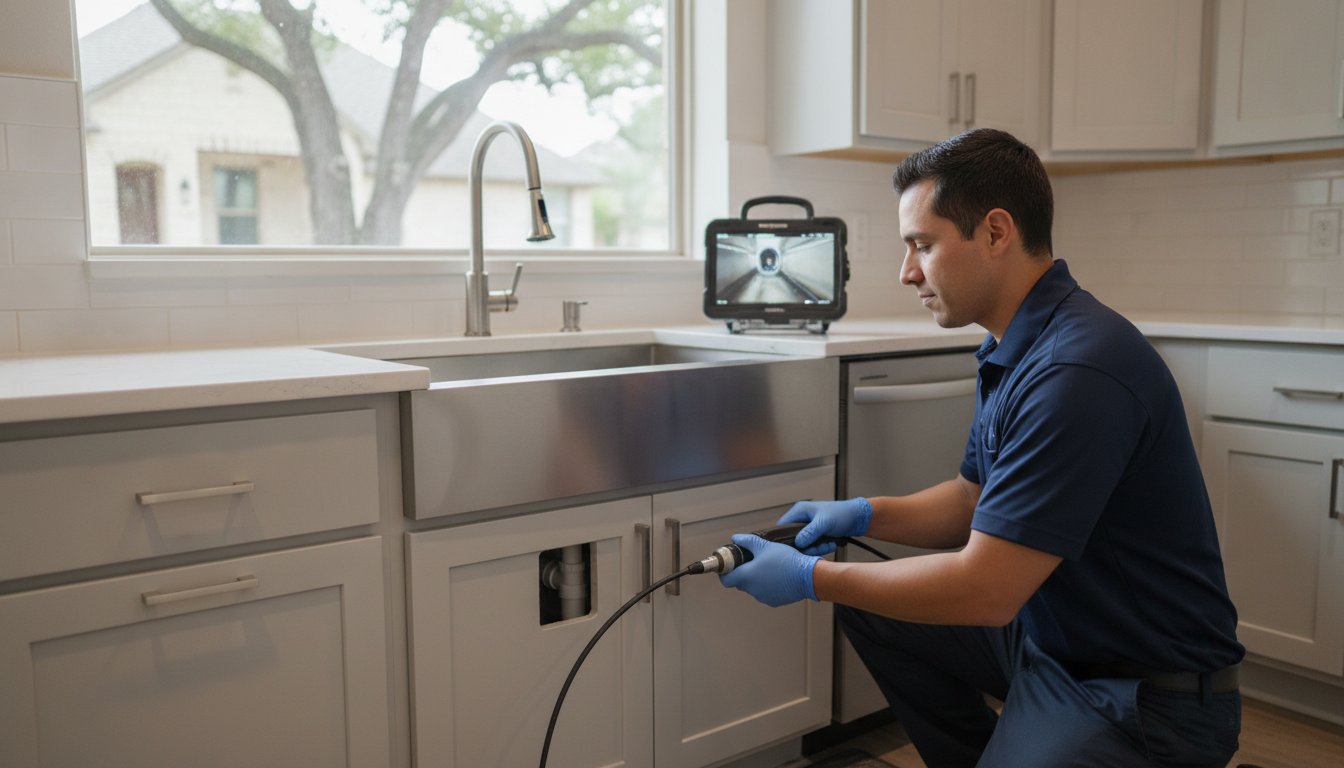
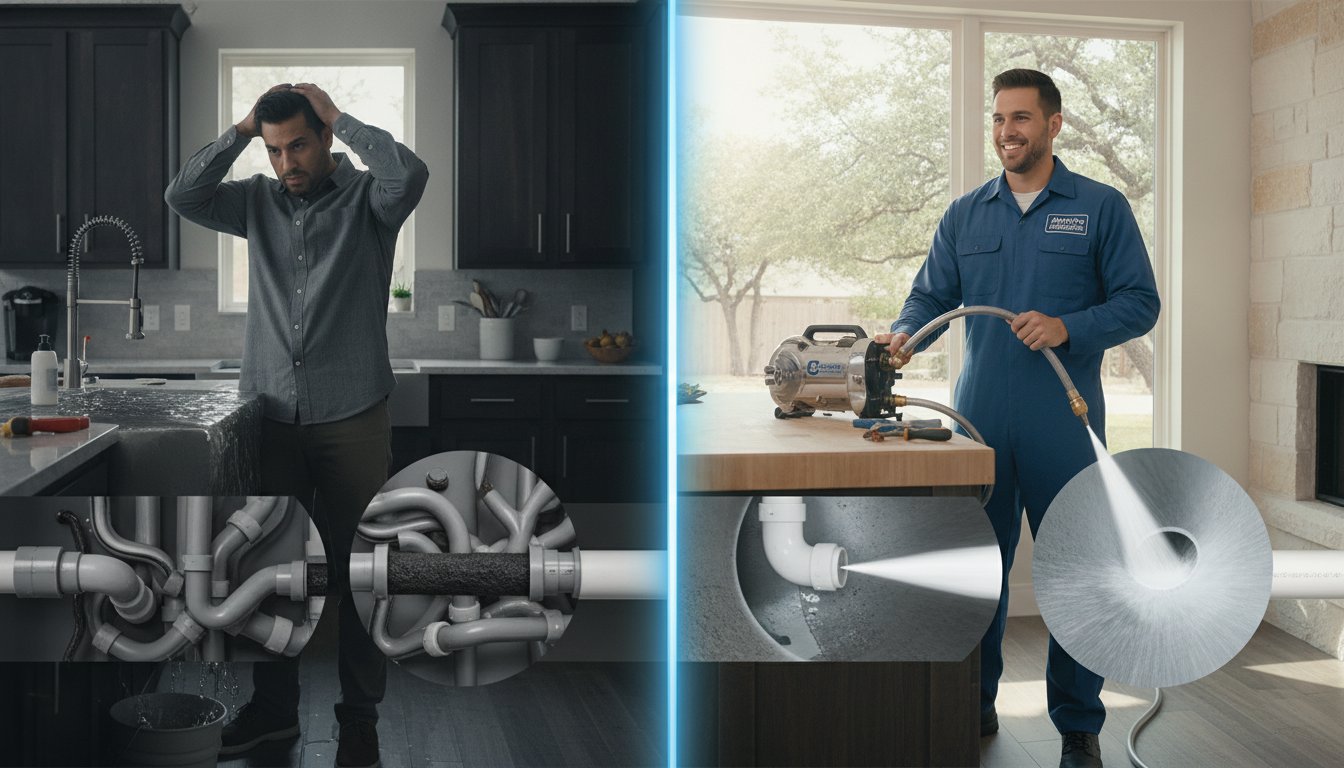
Our capabilities cover the full spectrum of water heating technology. We handle everything from standard gas tank repairs to the complex integration of advanced tankless systems and water softener installations. To ensure the total health of your plumbing system, we often recommend looking at how your heater interacts with your home's entire drainage network. You can learn more about maintaining your system's efficiency through Professional Drain Cleaning in Austin, which helps keep your entire infrastructure running smoothly. If you're currently facing a crisis and need a steady, reliable presence to restore your home's comfort, we're ready to help. Contact Garrett’s Plumbing for immediate emergency service and let our family take care of yours.
Securing Your Home's Future with Expert Hot Water Solutions
Handling a plumbing crisis requires a blend of quick action and seasoned judgment. By identifying early warning signs like tank "weeping" or sediment-induced popping noises, you can prevent a minor leak from becoming a structural disaster. Understanding how Austin’s limestone-rich water impacts your system allows you to make an informed decision between a targeted fix and a high-efficiency replacement. When the unexpected happens, you need a partner who brings both modern technical proficiency and a deep respect for traditional craftsmanship to every task.
Our team at Garrett’s Plumbing offers 4 generations of expertise and over 27 years of experience serving the Central Texas community. As a family-owned and operated business, we take personal pride in being the licensed and insured master plumbers you can trust during an emergency hot water heater repair. If you're currently facing a system failure, don't wait for the damage to spread. Call Garrett’s Plumbing Now for 24/7 Emergency Water Heater Repair and let us restore the comfort and safety of your home. We're here to ensure your hot water is back on and your property is protected for years to come.
Frequently Asked Questions
Is it really an emergency if my water heater is just leaking a little bit?
Yes, even a small leak is a structural warning sign that requires immediate attention. A minor drip often indicates that the internal tank lining has been compromised by corrosion. If left unchecked, the pressure inside the tank can cause a small fracture to expand into a catastrophic breach. This could potentially flood your home without warning. We treat every leak with the seriousness it deserves to protect your property.
How much does an emergency water heater repair service call cost in Austin?
The cost of an emergency hot water heater repair varies depending on the timing of your request and the specific components that need attention. Most reputable providers in the Austin area apply a dispatch fee for after-hours or weekend service calls. We prioritize transparency in our pricing to ensure you understand the investment before any tools are lifted. It's always best to ask for a clear breakdown of labor and parts.
Can I fix a pilot light that won’t stay lit myself?
You can attempt to relight the pilot following the manufacturer’s instructions, but a light that won't stay lit usually indicates a failed thermocouple. This component acts as a safety shield by cutting off gas flow if the flame goes out. If the light fails to stay lit after several attempts, it's safer to call an expert. We can verify if the issue is a simple part replacement or a more complex valve failure.
Why did my hot water suddenly turn rusty or brown?
Discolored water is typically a sign that the sacrificial anode rod has been fully depleted and the steel tank is beginning to rust. This often happens more quickly in Central Texas due to our specific water chemistry. If you notice this change, it's a clear signal that the tank's integrity is at risk. A prompt inspection can determine if a repair is possible or if a replacement is necessary.
How long does it take to replace a water heater in an emergency?
A standard tank replacement usually takes between two to four hours once a technician is on-site. This includes the time needed to safely drain the old unit and install the new heater according to local codes. We arrive with fully stocked trucks to ensure we have the right parts for your specific model. This methodical approach minimizes the disruption to your daily routine and restores your comfort as quickly as possible.
Do you provide emergency water heater services on weekends and holidays?
Yes, we provide professional plumbing support on weekends and holidays to ensure our neighbors are never left without hot water. We recognize that emergencies are unpredictable and often happen at the most inconvenient times. Our team maintains a reliable presence to handle urgent repairs whenever they occur. You can count on us for steady, ethical service regardless of the day or time you need assistance.
What is the most common cause of water heater failure in Round Rock and Pflugerville?
Mineral accumulation from the regional water supply is the primary culprit for equipment failure in these communities. As minerals settle at the bottom of the tank, they form a thick layer of sediment that overheats the steel. This process is often accelerated in suburban areas where high water pressure puts additional stress on aging components. Regular maintenance is the best way to combat this specific local challenge.
Should I switch to a tankless water heater during an emergency replacement?
Switching to a tankless model is a great choice if you want to eliminate the risk of a massive tank leak. These units provide hot water on demand and are highly efficient. While the initial setup requires specific venting and gas line modifications, the long-term energy savings are significant. It's an excellent way to modernize your home's infrastructure while resolving a sudden emergency hot water heater repair situation.

Comments